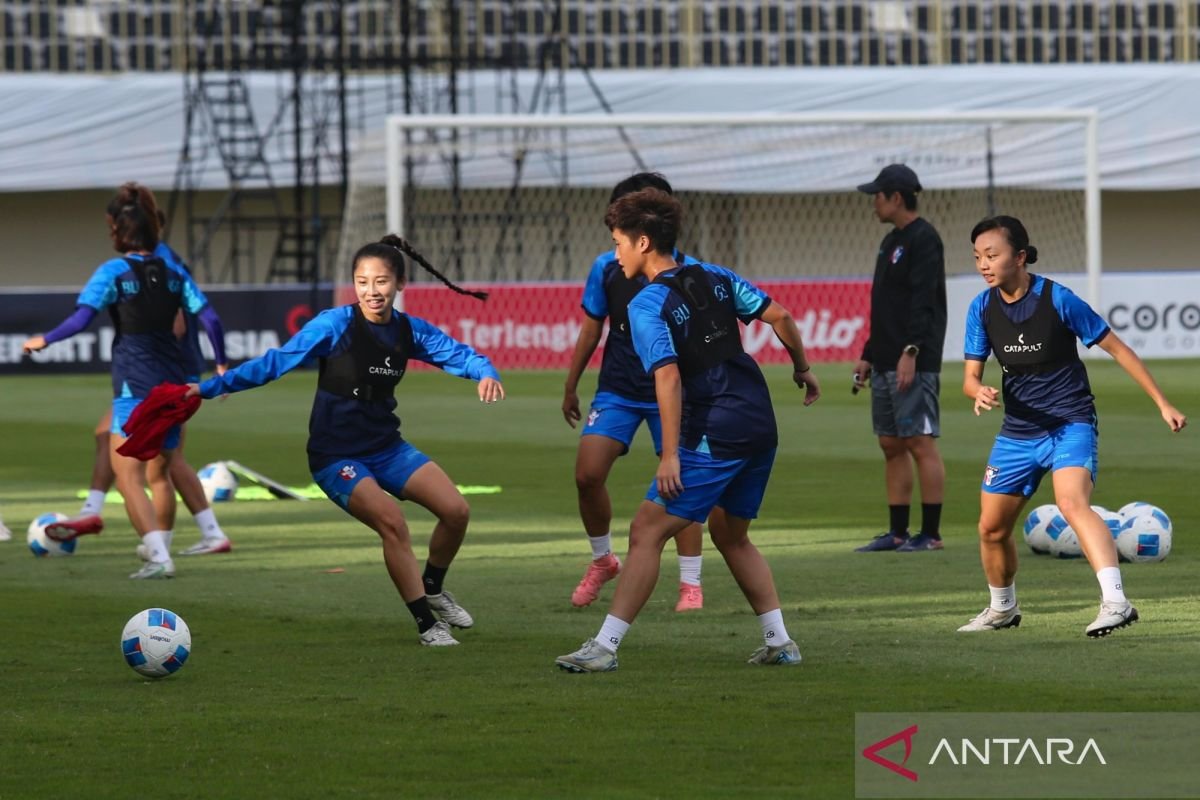


Indonesia’s Participation in the 2025 Minifootball World Cup: A Catalyst for Showcasing Potential
As the world gears up for the 2025 Minifootball World Cup, Indonesia stands at a significant crossroads in its sporting journey. The nation, known for its vibrant culture and passionate sports enthusiasts, is poised to make a substantial impact on the international minifootball scene. This participation not only highlights Indonesia’s growing prowess in the sport but also acts as a catalyst for showcasing the country’s potential on the global stage.
Understanding Minifootball
Minifootball, a variant of football played on smaller pitches with fewer players, has been gaining popularity worldwide. It emphasizes skill, strategy, and teamwork, making it an engaging format for both players and fans. The 2025 Minifootball World Cup will bring together teams from various countries, providing a unique opportunity for nations like Indonesia to shine in this exciting sport.
A Growing Football Culture
Indonesia’s rich football culture is deeply ingrained in its social fabric. Football is more than just a sport; it is a shared passion that unites people from diverse backgrounds. However, the traditional football scene has its challenges, including infrastructure issues and administrative hurdles. Minifootball offers a new avenue for Indonesian talent to emerge, as it requires less space, allowing for a broader range of participation across urban and rural areas.
The official recognition and governance provided by bodies such as the Indonesian Minifootball Federation (IMF) have been critical in nurturing this sport. The establishment of local leagues, tournaments, and grassroots initiatives has resulted in a burgeoning minifootball community, poised to elevate Indonesia’s profile on the international stage.
Economic and Social Impacts
Participating in the 2025 Minifootball World Cup extends beyond the pitch; it has profound implications for Indonesia’s economy and society. Increased visibility on a global stage can lead to enhanced tourism, foreign investment, and opportunities for local businesses. Moreover, it can inspire youth to engage in sports, fostering a healthier population and promoting teamwork and discipline through athletic involvement.
Minifootball also presents a platform for youth from less privileged backgrounds to showcase their skills and gain recognition. The potential for talent development in these communities can yield long-term benefits for Indonesian football as a whole, aligning with broader national goals for economic development through sports.
Building on Recent Successes
Indonesia’s involvement in minifootball is not an isolated event; it follows a series of successful outings in international competitions. The national team has steadily improved its rankings and performance over the past few years. The upcoming participation in the World Cup provides an opportunity to leverage these successes, harnessing momentum to further amplify the passion and interest already evident in the sport.
Furthermore, Indonesia’s strategic location in Southeast Asia positions it as a natural hub for minifootball, facilitating regional tournaments and collaborations that can spur further developments within the sport. Government support and investment in sports infrastructure, alongside passionate local clubs and organizations, can create a conducive environment for players to thrive.
Looking Ahead: Challenges and Opportunities
While the prospects are promising, challenges remain. Ensuring proper training, management, and resources for the national team will be crucial in preparation for the 2025 World Cup. Addressing these challenges requires collaboration between the government, sports organizations, and the private sector, all working in unison to capitalize on this opportunity.
Moreover, marketing and promoting Indonesia as a minifootball destination will be key to attracting a larger fanbase and establishing a legacy within the sport. Engaging the youth, fostering local talent, and building a vibrant community around minifootball will ensure that Indonesia’s participation leaves a lasting impact.
Conclusion
Indonesia’s entry into the 2025 Minifootball World Cup serves as a pivotal moment for the nation to showcase its sporting potential and cultural richness on a global platform. By embracing the challenges and opportunities presented by this tournament, Indonesia can not only solidify its position in the world of minifootball but also inspire a generation to dream big. As the nation rallies behind its players in this exhilarating sport, the world will be watching, eager to witness the rise of Indonesia on the minifootball stage.